
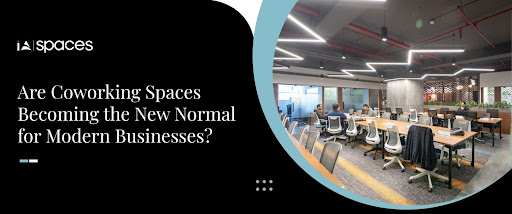
What if the office you worked in wasn’t something you owned, but a space that actually worked for you?
For decades, businesses equated growth with bigger offices, permanent leases, and rigid structures. But the world of work is changing faster than traditional office design can keep up. The focus of professionals has shifted from fitting people in offices to designing workspaces to elevate how they think, create, and grow.
Enter coworking space, a concept that has moved from niche to mainstream, challenging how businesses think about space, culture, and productivity. Could these shared, flexible environments be the new normal for modern businesses? The signs point to yes.
Flexibility Is Key
The traditional office model promised stability, but stability today can feel like a constraint. Startups pivot, teams grow or shrink, and projects demand agility, things a traditional office often struggles to support.
From flexible seating plans to short-term membership options, coworking allows companies to adapt instantly to changing needs. Even enterprises are experimenting with managed office spaces in coworking hubs to run satellite teams, explore new markets, or accommodate hybrid work models without long-term commitments.
In a world where adaptability equals survival, coworking spaces provide a practical and strategic solution.
Collaboration Without Walls
One of the most powerful aspects of coworking is the ecosystem it creates. Unlike traditional offices, these spaces naturally encourage interaction between different industries and disciplines.
A tech startup might share ideas with a design agency; a finance consultant could connect with a health-tech entrepreneur. These spontaneous interactions can spark innovation in ways conventional offices rarely do. For the modern coworking business, this network effect isn’t just a bonus; it’s part of the value proposition.
Cost Efficiency Without Compromise
Coworking spaces allow businesses to access high-quality infrastructure without the financial burden of ownership. Fully equipped meeting rooms, high-speed internet, modern interiors, and professional support services come bundled with flexibility.
Even managed office spaces within coworking setups offer a premium experience, giving companies the prestige and functionality of a traditional office without the long-term liability. It’s a smarter way to balance efficiency and growth.
Hybrid Work Made Easy
The rise of remote work has permanently changed employee expectations. Workers now demand flexibility, autonomy, and environments that support both focus and collaboration.
Coworking space bridge the gap. They combine the structure and amenities of an office with the freedom of remote work. This makes them an ideal choice for companies trying to future-proof their workforce while maintaining productivity and culture.
The Bigger Shift: Rethinking Work Itself
Coworking spaces are more than just shared desks; they represent a mindset shift. They challenge the notion that offices must be permanent, hierarchical, and rigid. Modern businesses are learning that space is a tool, not a trophy.
For a coworking business, this shift is transformative. It means offering environments designed to enhance creativity, collaboration, and adaptability, while reducing cost and complexity for tenants.
Did You Know?
According to industry data, the global number of coworking users is expected to reach around 5.5–6 million workers by 2025, reflecting widespread adoption of flexible workspaces among businesses of all sizes, not just freelancers and startups.
The Path Forward
Are coworking spaces becoming the new normal? Evidence suggests they are. Flexible, collaborative, and efficient, they align with the needs of modern businesses in a way traditional offices no longer can.
As work continues to evolve, companies are realizing that the best workplaces are not always owned; they are experienced. For startups, SMEs, and even large enterprises, coworking isn’t just a temporary solution; it’s a strategic advantage.
FAQs
Is coworking at IA Spaces cost-effective compared to traditional offices?
Absolutely. IA Spaces eliminates upfront capital expenses and long-term liabilities, and businesses gain access to premium infrastructure, modern interiors, and support services, all bundled into flexible pricing.
Why should businesses view IA Spaces as a strategic choice, not just a workspace?
Because IA Spaces represents a shift in how companies approach work. It’s about creating environments that enable productivity, adaptability, and collaboration, helping them stay agile in a fast-changing world.
What role does community play in a coworking business?
Community is central to the coworking model. Shared environments create opportunities for collaboration, partnerships, and knowledge exchange across industries, often leading to innovation that traditional offices may not naturally foster.
Are coworking spaces a viable long-term alternative to traditional offices?
For many businesses, yes. As work becomes more hybrid and project-driven, flexible workspaces offer the agility and cost structure that modern companies require to remain competitive.
Is coworking a passing trend or a long-term strategy?
Market data and enterprise adoption indicate that coworking is evolving into a long-term workspace strategy. IA Spaces demonstrate how flexible environments are becoming foundational to modern business operations.