
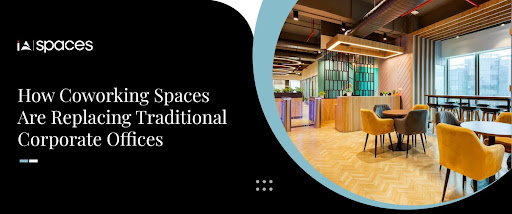
What defines a workplace in 2026? Is it a corner office or the freedom to choose where and how you work?
For decades, the answer was clear: a desk, fixed hours, and large office floors. But as work evolved, these spaces did not keep pace. Coworking emerged not as a replacement but as a rebellion against outdated norms, giving rise to a workforce that values ideas over hierarchy.
This gap is where coworking was born, not as a replacement for corporate offices at first, but as a quiet alternative for a new kind of workforce.
The Concept of Coworking in Early Days
The concept of coworking emerged in the early 2000s, driven by freelancers, consultants, and independent professionals who were tired of working in silos. Home offices were isolating, cafés were distracting, and traditional offices were inaccessible.
Coworking spaces offered something simple yet powerful:
- A professional environment
- Affordable access to a desk
- A sense of community
In these early stages, a coworking desk was less about scale and more about belonging. The spaces were informal, creative, and flexible, designed for individuals rather than organizations.
At the time, large companies viewed coworking as too unconventional and a risky move.
The Shift Begins: Startups and SMEs Change the Narrative
As startups and SMEs entered the picture, coworking began to evolve. Fast-growing teams needed offices that could scale quickly without long-term commitments. Traditional corporate offices, with rigid leases and heavy overheads, were slowing them down.
This is when community-led workspaces started gaining strategic importance. They weren’t just places to sit and work anymore; they became hubs for collaboration, mentorship, and idea exchange.
For young companies, coworking provided:
- Flexibility to expand or shrink teams.
- Shared infrastructure without high capital costs.
- Exposure to diverse industries and talent.
The culture of openness and collaboration directly challenged the closed-door corporate mindset.
From Alternative to Advantage: Why Corporations Took Notice
The real turning point came when large enterprises began questioning their own office models. Underutilized office spaces, rising real estate costs, and changing employee expectations made traditional offices less practical.
Corporations started experimenting with coworking, first for innovation teams, satellite offices, and project-based work. What they discovered changed everything.
Coworking spaces delivered:
- Faster setup compared to corporate offices.
- Plug-and-play coworking desk solutions for agile teams.
- Access to vibrant community workspaces that encouraged cross-functional thinking.
Rather than weakening corporate culture, coworking often strengthened it by making work more human, collaborative, and adaptable.
Redefining Corporate Culture Through Coworking
Traditional corporate culture has long been associated with hierarchy, formality, and fixed structures. Coworking challenged this by design.
In shared environments:
- Leaders and teams work side by side.
- Conversations happen organically.
- Collaboration replaces silos.
This cultural shift is one of the biggest reasons coworking is surpassing traditional offices. Employees today value autonomy, connection, and purpose, all of which coworking spaces naturally support.
The Rise of Community Workspaces as the New Standard
Today, community workspaces cater not just to freelancers or startups, but to enterprises, multinational corporations, and distributed teams. These spaces are thoughtfully designed to balance privacy with interaction and focus with flexibility.
Modern coworking spaces now offer:
- Dedicated desks and private offices.
- Enterprise-grade security and infrastructure.
- Meeting rooms, event spaces, and breakout zones.
Hence, what started as a niche solution has become a mainstream workplace strategy.
Why Traditional Corporate Offices Are Being Left Behind
The limitations of traditional offices are becoming harder to ignore:
- Long-term leases restrict agility.
- High fixed costs reduce operational efficiency.
- Static layouts don’t support hybrid work.
Coworking, on the other hand, evolves alongside business needs. Companies no longer need to own office space to operate professionally; they need access to the right environment at the right time.
Coworking as the Future of Work
The journey of coworking reflects a larger truth: work is no longer tied to a single place or format. As organizations continue to prioritize flexibility, collaboration, and employee experience, coworking spaces will play an even bigger role.
From freelancers seeking connection to corporate giants seeking agility, coworking and community workspaces have transformed from an experiment into a necessity. They are not just replacing traditional corporate offices; they are redefining what a workplace means in the modern world.
FAQs
What makes IA Spaces relevant to the modern coworking movement?
IA Spaces combines flexibility, community, and professional infrastructure for today’s evolving work styles.
Is coworking at IA Spaces only for startups?
IA Spaces supports individuals, teams, and established organizations alike.
Why are companies moving from traditional offices to spaces like IA Spaces?
To gain flexibility, reduce rigidity, and support how modern teams actually work.