

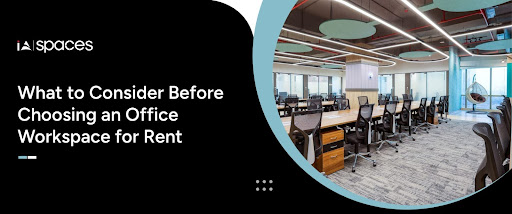
Choosing the right workspace was once considered a simple operational decision. Many businesses spent more time choosing their coffee machines than questioning the workspace decisions that could shape their culture, productivity and cost structure for years.
That is not a criticism but a reflection of how deceptively complex the office workspace-for-rent decision has become in 2025. Today, choosing the right office workspace for rent is far more than a logistical choice. It influences how teams collaborate, how productive employees feel, and even how a company is perceived by clients and partners.
But with countless options available, from coworking hubs and managed offices to traditional commercial spaces, how should businesses decide which office workspace for rent truly supports their needs?
Location Is Not Just a Pin on the Map
Location has always been a major factor in selecting an office. Traditionally, businesses prioritized places that are close to financial districts or commercial centers, but the logic is completely different now.
Nowadays, companies opt for locations based on the following factors:
- Accessibility: Companies opt for places that are easy to commute to or close to a metro station in order to avoid hassles and make travel easy.
- Employee Convenience: They opt for spaces that have access to every amenity, like cafes, restaurants and breakout zones, to make the environment cheerful and humane.
- Client Friendly: To impress clients with a strong brand image, companies choose offices in a professional location or a startup cluster to make commuting easier.
Hence, the right office workspace for rent is not just about the address; it’s about the professional environment that surrounds it.
Quality Infrastructure Has a Direct Line to Output
Productivity is not confined to just desks and meeting rooms. Modern teams now expect infrastructure that supports both collaboration and focus. When evaluating an office workspace for rent, businesses consider whether the space provides:
- High-speed internet connection
- Fully equipped meeting rooms
- Dedicated workstations
- Proper furnishing and breakout rooms
While these features may appear basic at first glance, they play a significant role in shaping the everyday work experience. A thoughtfully designed office workspace for rent can streamline workflows and create an environment that enables teams to collaborate.
Flexibility Is Not a Feature; It Is the Entire Point
The most important question everyone asks is, ‘Does your office have a company culture?’ Business needs rarely remain static. Teams expand, projects evolve, and operational requirements change over time. A workspace that works perfectly today may become restrictive in a year.
That’s why flexibility has become one of the most important factors when selecting an office workspace for rent. Flexible layouts, scalable seating arrangements, and adaptable office plans allow businesses to grow without constantly relocating.
Companies that choose adaptable workspaces often find it easier to manage growth while maintaining operational stability.
The Importance of Community
Workspaces are no longer just physical environments; they are also social and professional ecosystems. Many modern offices host networking sessions, workshops, founder meetups, and industry events. These interactions can create unexpected opportunities for partnerships, learning and business growth.
For startups and growing companies in particular, choosing an office workspace for rent within a collaborative community can provide access to knowledge, mentors, and potential clients.
Sometimes, the most valuable outcomes from a workspace come not from the infrastructure, but from the people working around you.
Looking Beyond the Office
Businesses rethink how work happens, and the workplace is becoming a strategic asset rather than just an operational requirement. Companies that carefully evaluate their workspace decisions often discover that the right environment can significantly influence both performance and innovation.
The real question for modern businesses is no longer simply where to work, but what kind of workspace will help them build the future they envision.
The Takeaway
Choosing the right office workspace for rent is no longer just about desks and location; it’s about finding an environment that supports growth, collaboration and productivity. Workspaces like IA Spaces are designed to offer exactly that.
So the real question is, will your next office simply accommodate your team, or will it help your business grow?
FAQs
What factors should businesses consider before choosing an office workspace for rent?
Businesses should evaluate location, infrastructure, flexibility and community opportunities before selecting an office workspace for rent. Workspaces like IA Spaces provide professional locations, modern amenities and collaborative environments that help companies operate efficiently and grow sustainably.
Why is flexibility important when choosing an office workspace for rent?
Flexibility allows businesses to scale their teams and adapt to changing requirements without relocating frequently. Providers such as IA Spaces offer flexible office solutions, including private cabins, dedicated desks and managed spaces that can grow along with a company.
How does the right office workspace influence employee productivity?
A well-designed workspace with high-speed internet, meeting rooms, breakout areas, and comfortable workstations can significantly improve productivity. At IA Spaces, thoughtfully designed work environments help teams collaborate better and stay focused on their work.
Do coworking and managed office spaces offer networking opportunities?
Yes, many modern workspaces host networking events, workshops, and founder meetups that help professionals connect and collaborate. We regularly organize such activities, creating opportunities for partnerships, mentorship, and business growth.
Why are startups choosing coworking spaces instead of traditional offices?
Startups often prefer coworking spaces because they offer cost efficiency, flexibility, and access to a professional community. Workspaces often provide fully equipped offices and collaborative ecosystems that allow startups to focus on building their businesses rather than managing office infrastructure.